Abstract
The business world is full of startup stories and legends, but they’re not focused on businesses in the wood products industry. Starting a wood products business in California is exceptionally challenging, given the lack of infrastructure and permitting, and the difficulty of obtaining long-term (>3 years) feedstock contracts from government agencies such as the Forest Service. Funding and finance are challenging, given lenders’ limited expertise in the field and investors’ desire for returns over shorter time horizons. We offer lessons and approaches for new businesses negotiating this challenging environment, along with funding and non-funding resources that can pave the way to success.
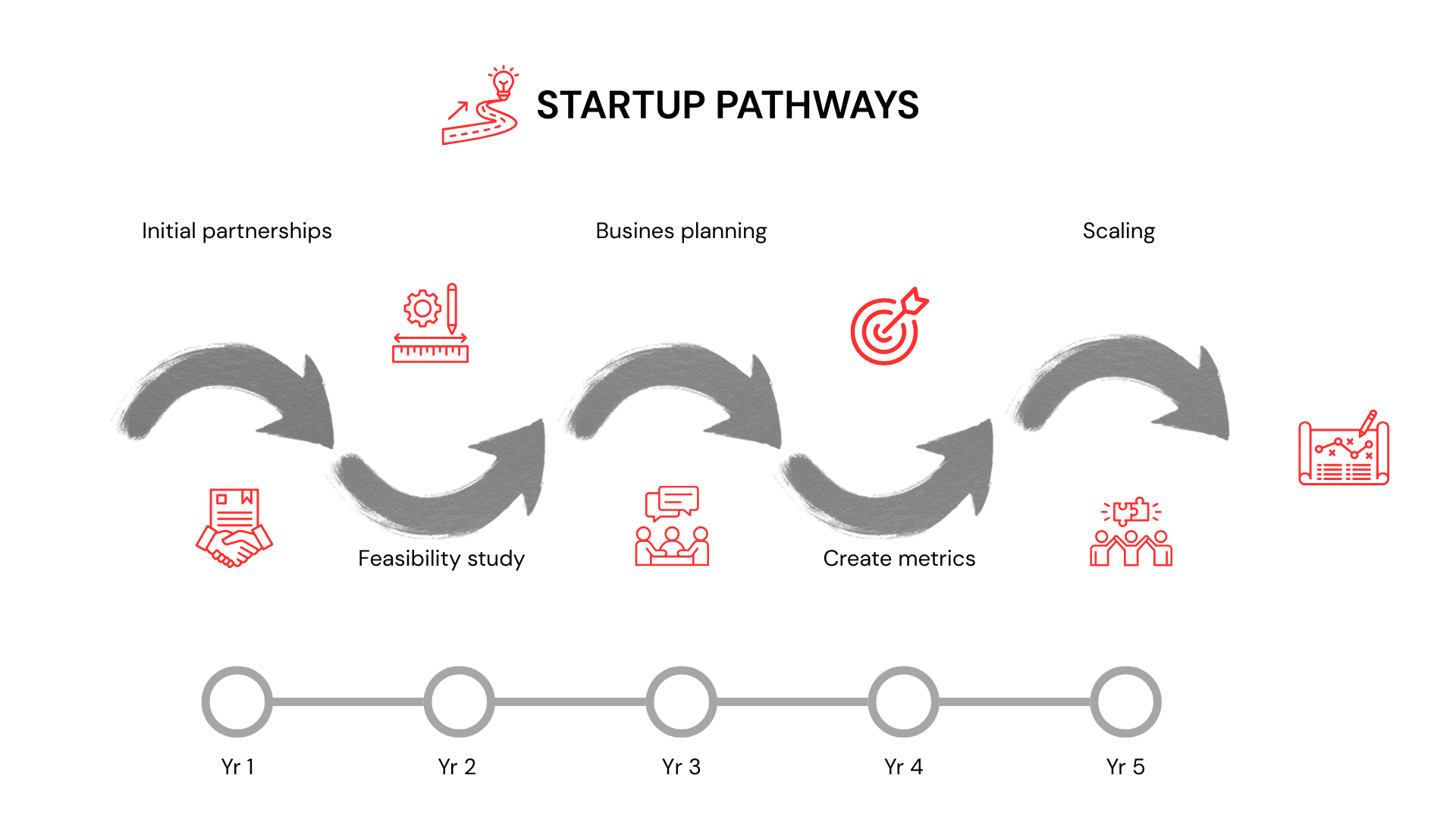
Figure 1:Sample startup pathways.
Takeaways
Following steps from concept to implementation with a checklist of to-dos at each stage is an ideal way to structure your startup pathway. Modify the steps, checklist, and waypoints to suit your startup’s needs (Figure 1). Some key takeaways for the wood product businesses and organizational program/project startup include the following:
Program design vs. startup. Understanding the distinction between designing a program and launching a business is critical to aligning your development pathway with the right resources and expectations.
Stress testing feasibility. Rigorously testing your concept through scoping and feasibility analysis prevents costly mistakes and ensures your business model can withstand real-world conditions.
Financial vulnerability. Wood products businesses face unique financing challenges due to limited grant opportunities, long capital timelines, and the need to avoid inappropriate funding sources such as venture capital.
Challenging process. Navigating infrastructure gaps, securing long-term feedstock contracts, obtaining permits, and finding skilled leadership requires patience and strategic planning.
Networking & collaboration. Building partnerships to share resources, equipment, workforce, and infrastructure can provide mutual support and accelerate success in this sparsely connected industry.
Introduction
Program design and the feasibility analysis steps for a startup are connected processes, but they differ in important ways. Program design focuses on establishing vision, goals, and the conceptual framework for what you want to achieve, while feasibility analysis rigorously tests whether that vision can be practically and financially realized. For wood products businesses in California, this dual approach is essential given the unique challenges of securing feedstock contracts, navigating complex permitting processes, and securing appropriate financing. The startup pathway outlined in this chapter provides a structured progression from concept to implementation, with checkpoints to stress-test your assumptions at each stage. By matching the right resources, expertise, and capital to each phase of development, one can navigate the challenging landscape and build a sustainable forest-based business.
Wood Processing & Native American Tribes
Wood processing programs led by Native American Tribes are an important, and occasionally overlooked, area of wood products. Tribal-led wood processing programs are often multi-benefit operations that intertwine directly with providing wood products for Tribal citizens and community members, workforce development for Tribal citizens and community members, and land management or restoration goals. While these operations vary in size, they face many of the same challenges as business or nonprofit wood-processing start-ups. Contact the Forest Business Alliance team for additional resources on Tribal-led wood processing programs.
Challenges
We often go straight to funding when it comes to startup challenges, but funding can be symptomatic of other issues that hinder forest businesses from getting up and running. Some of these include
Lean funding & finance opportunities. Many grant opportunities are geared towards nonprofits. CAL FIRE’s Business and Workforce Development Grants and USFS’s Wood Innovations Grants are some of the few that offer businesses the opportunity to apply for public funds.
Lack of infrastructure. Access to power, other mills, replacement parts for mills, maintenance workers, or other infrastructure critical to your business function can make or break how efficiently and profitably you run.
Inability to facilitate long-term feedstock agreements. Swezy (2025) mentions that once the sawlog supply normalized following the Dixie Fire, that although the regional Forest Service leadership is trying to align with the Wildfire and Forest Resilience Task Force Action Plan for treatment targets, these objectives do not often match the local district ranger capacity to secure feedstock contracts nor the funding for the work resulting in inconsistent log supplies and financial instability for wood processing facilities.
Sparse networking and partner opportunities. This is important for nonprofits in particular, as well as for businesses working with collaboratives. At another level, partnering to share resources, investment, equipment, workforce, and infrastructure can mutually support new businesses.
Workforce to run wood processing facilities. Although experienced labor to run mills may be available, finding skilled leadership for supervisory positions to support operations and grow startups may be difficult and has negatively affected the long-term viability of new mills and processing facilities.
Funding & Finance
A critical component of funding and finance is matching the business development stage Table 1. Note these are broader stages than the startup pathways stages and therefore have slightly different names. Aligning resources and advisory roles in this fashion can help accelerate development through the right kind of funding or finance.
🦄VCs/Equity Finance ≠ 🪵Wood Products Businesses
Venture capital is almost never appropriate for wood products due to the high return demanded vs. the low return for wood products businesses. VCs are not usually interested in pre-revenue startups.
Equity financing is also not typically appropriate for small businesses typical of the forest industry. As a small business, you would have to pay the financier profits annually or, over time, buy them out. On the plus side, with equity financing, you don’t have a loan repayment schedule.
Table 1:Match your funding/finance to your business stage (may be different from the pathways stages). Pilot: years 1-2; Early Revenue: 2-4. Adapted from the Do Good CFO slide deck from the Startup Pathways Workshop. Note these are broader stages than the startup pathways stages.
| Stage | Primary Tool | Secondary Tool | Avoid (for now) |
|---|---|---|---|
| Concept | Grants | Friends & family equity | Bank debt, VC |
| Pilot | Grants + equipment finance | SBA microloan | Dilutive equity |
| Early Revenue | SBA 7(a) / CDFI Debt | Revenue-based finance | Large VC rounds |
| Growing | USDA B&I / bond finance | Growth equity | Predatory lenders |
| Scaling | Full capital stack | Strategic equity partners | Single-source dependency |
Grant Funding
Grant funding is an excellent source of funding to start businesses and test any pilots you have in mind. Please see the proposal and planning chapters for more details, and consult various online grant request proposal portals for available grants. A golden rule of funding is creating a singular strategy based on three layers: 1. grants/incentives; 2. debt; and 3. equity.[1] Maximize grants first, then take on only the debt you can service, considering equity last or not at all (Figure 2).
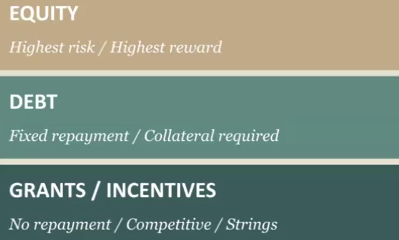
Figure 2:Three layers, one strategy for funding startups. From Do Good CFO.
Debt Options
Table 2 shows the various debt finance options available and appropriate to forest-based businesses.
Table 2:Summary of multiple debt options. Adapted from Do Good CFO.
| Financing Type | Key Features |
|---|---|
| Equipment Financing | • Asset IS the collateral — easier to qualify • Up to 100% of equipment cost • Terms: 3–7 years, rates: 6–12% • Great for sawmills, kilns, planers, trucks |
| SBA 7(a) Loans | • Up to $5M, govt-guaranteed • Working capital, equipment, real estate • Longer terms = lower monthly payments • Requires 2+ yrs in business, decent credit |
| iBank Loan Guarantee | • State-administered by iBank — complements SBA • Guarantees up to 80% of loan, max $5M • Equipment, working capital, construction, 1–750 employees • Prioritizes job creation in underserved communities • Lender connects via ibank.ca.gov, 7-year term |
| Revenue-Based Financing | • Repay as % of monthly revenue • No fixed payment — cash-flow friendly • Faster approval, less collateral needed • Higher effective cost — use strategically |
| CDFIs & USDA Loans | • Community Development Finance Institutions • Rural Community Assistance Corporation • USDA B&I: up to $25M for rural business • Slower but more flexible underwriting |
| Industrial Dev. Bonds | • iBank-administered, up to $10M tax-exempt financing • For manufacturing facilities & equipment • Government-rate interest — significant savings vs. commercial debt • Process: 120–150 days; IBank team guides applicants • Best for: larger capital projects ($3M+) |
Financial Due Diligence
When considering any funding or financing options, always review the fine print in contracts, have your lawyer review them, and do your due diligence for investors or equity investors, e.g., get to know who you’re “marrying”.
Deal structures
Examples of blended finance deal structures are shown in Table 3.
Table 3:Illustrative deal structures. Adapted from Do Good CFO.
| Business Type | Financing Structure | Key Details |
|---|---|---|
| 1. Sawmill Startup | • $400K Equipment Loan (70% LTV on $570K equipment) • $150K SBA Microloan for working capital | Monthly payment: ~$9,200 Year 1 revenue target: $500K |
| 2. Mid-scale Processing Facility | • $1.2M USDA B&I Loan (25-year term, 6.5%) • $300K CAL FIRE Grant (reimbursement-based) • $500K Equipment Line of Credit (revolving) | Monthly B&I payment: ~$8,700 |
| 3. Mobile Milling Operation | • $80K Equipment Financing (truck + mill) • $25K Revenue-Based Line (operational cushion) | No fixed facility = lower overhead, faster payback |
Startup pathways
We provide a walk through six stages for developing a wood products startup, from brainstorming your initial concept through implementation and scaling. Each stage includes specific checkpoints to test assumptions and prepare for the next phase. Adapt this progression to your business’s unique constraints and opportunities.
I. Concept
The concept stage is brainstorming or coming up with the idea that solves a key problem. It is the spitballing stage for the initial ideas that precedes the pre-feasibility stage. Once you get this down on your napkin, it’s critical to stress-test it and share it with key people and users to see if it will actually be used.
II. Scoping
In addition to assessing whether your idea will work, scoping is a pre-feasibility phase that should cover a range of items, from a basic project or program outline to financials and permitting. Some items to consider include the following:
Establishing a vision and project concept, goals, and objectives
Identification of technology options and the preferred option
Site and infrastructure evaluation
Feedstock volume and pricing assessment
Identification of the permitting pathway
High-level financial analysis (capex, opex, potential sources of capital, market demand/pricing, sensitivities)
Partner mapping/initial engagement
Establishing a preliminary project schedule
Pre-feasibility is really about testing the concept, and if you can check these boxes, it’s time to move to feasibility and deepen your analysis.
III. Feasiblity
Some businesses hire consultants to help with feasibility studies, financial analysis, market analysis, and securing feedstock supplies or permits. Some other items to consider include
Securing site control
Preliminary engineering and design for the preferred tech, and a third-party review of it
Detailed financial analysis
Establishing the appropriate business structure
Further feedstock and market analyses, if needed
Securing feedstock supply letters of intent/contracts
Securing offtake letters of intent/contracts
Identification and initial pursuit of capital stack
Refine and maintain the Gantt
Partner/stakeholder engagement
Develop pitch deck, white paper, and web landing page
Continuing to deepen the project or business financial analysis is critical at this stage.
Another critical component is securing a site and working with local agencies, the county, and other compliance authorities to secure permitting needs. Permits can torpedo any project, and having them in hand, or at least well down the path to completion, is critical here.
IV. Late-stage
Steps in this stage are the final touches to put your project planning and feasibility analyses in place and to prepare the organization for implementation. Some final steps include
Final engineering/design
Construction and operating permits
Complete lender/investor requirements and financial close
Establish construction schedule and plan
Procure long-lead equipment
Hone pitch deck
V. Implementation
Time to take the plunge! Implementation is busy and can completely envelop a business, so don’t forget to pause, reflect, and go back to the above. Make sure you’re implementing as you planned. Check in with your funders and get feedback, but don’t let them micromanage the project.
VI. Stock Taking & Scaling
We recommend stock-taking and results analysis at each stage of the startup pathway. It’s also a good idea to analyze outcomes annually, determine what was learned from them, and make adjustments. Communicating to your key funders and audiences about this process and your learning is an open and honest way to gain support and feedback on the work and process underway.
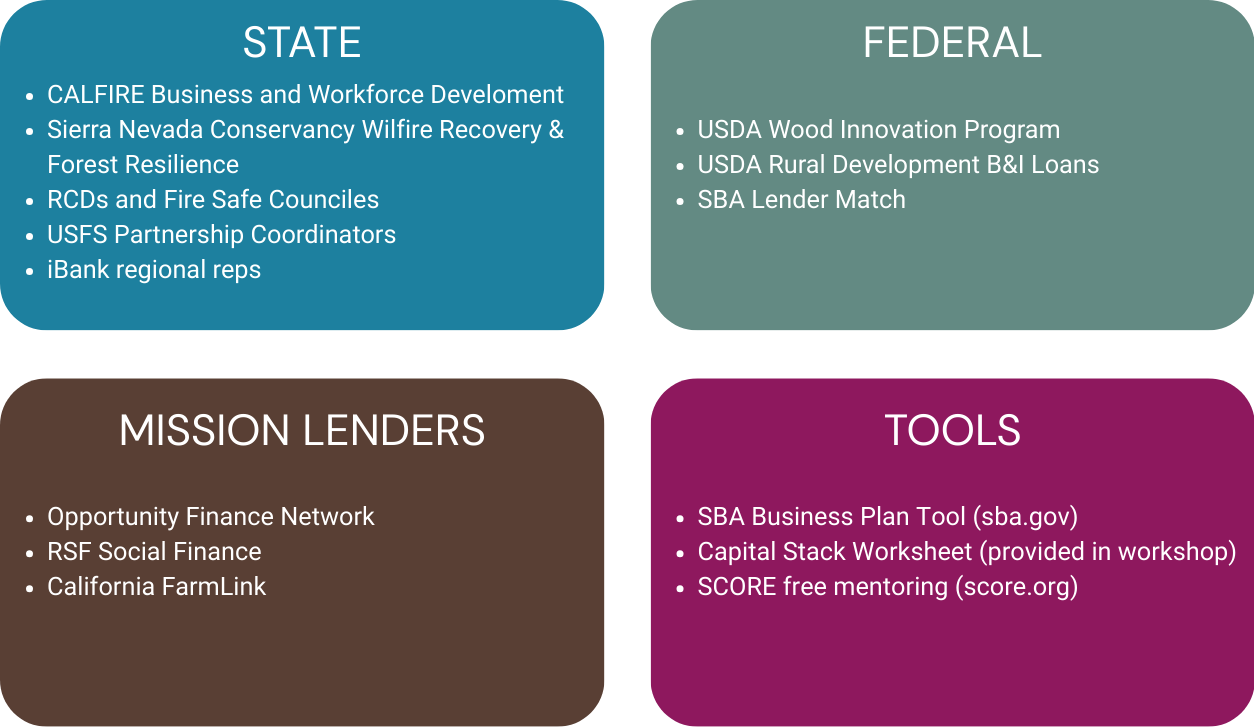
Figure 3:Key resources for your capital journey. Adapted from Do Good CFO Startup Pathways slides.
At the same time, start considering how to scale your business. A more detailed look at scaling can be found in Chapter 9.
Resources
Key Resources. A summary of key resources from the Startup Pathways workshop is shown in Figure 3.
Forest Business Alliance Startup Pathways Workshops. FBA held a series of workshops in March 2026 focused on mobile modular wood processing, startup pathways, and financing options. This chapter summarizes the key points from those workshops. The finance portion of the workshop is available as a recording on the FBA YouTube Channel. Please see the workshops page of the FBA website for links to the recording and agendas.
Wood Products Campus Siting and Financial Risk Analysis. As part of the South Central Sierra feedstock aggregation pilot project (https://
californiaforestproducts .org /fapps/) sponsored by the California Governor’s Office of Land Use and Climate Innovation (LCI), Wildephor Consulting Services has published a siting and financial risk analysis report. The study included three elements: 1) a biomass feedstock supply analysis; 2) a biomass feedstock storage model; and 3) a biomass project financial risk analysis to produce the Biomass Utilization Financial Feasibility and Sensitivity (BUFFSTM) analysis. Feedstock Pilots. The Governor’s office of Land Use and Climate Innovation funded 5 feedstock aggregation pilots to accelerate the long-term availability of wood feedstock for processing into a variety of products. Several of the pilots formed Joint Powers Authorities to create local entities that help enable long-term feedstock contracts. The formation of these entities is instructive for startups, and links to them are useful to sustainably source wood.
Neal Gottlieb, personal communication, 2026, Startup Pathways Workshop.
- Swezy, C. (2025). A case study of J&C Lumber: Successes, challenges, and lessons learned in launching a small-scale sawmill for wildlfire recovery. CALFIRE Business. https://calfire-umb05.azurewebsites.net/media/1pygldxy/j-c-lumber-case-study_january-2025-final-report.pdf