Navigating real and perceived impediments to conservation finance
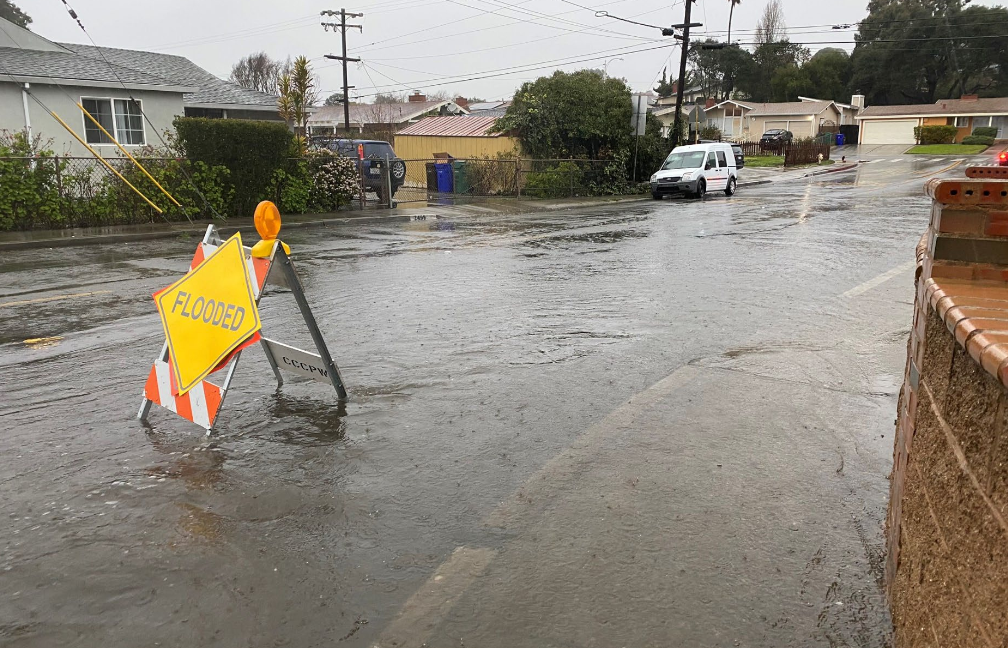
Photo: Rich Walkling
Background
The pathway to adopting an outcomes-based financing solution promises many natural infrastructure projects, but it is paved with many barriers, obstacles, and challenges. Understanding these and discerning between the challenges that can be addressed, obstacles that can be reduced, and barriers that need to be avoided can be critically important for the local proponents of any project.
While there is considerable enthusiasm for scaling the application of collaborative finance[1] across the water sector, there has not been commensurate movement to apply these strategies to actual projects. Despite the pioneering work of innovative finance organizations (e.g., Quantified Ventures, Blue Forest, and Corvias), the application has mostly been limited to several high-profile pilot or demonstration projects, often supported by philanthropic foundations. As interest in these innovative finance strategies expands, water agencies, land managers, and others interested in accessing new finance mechanisms can benefit from frank reflection on the factors that have frustrated widespread adoption.
For example, Northeast California is renowned for its natural beauty and recreational opportunities, from high mountains to world-class streams and lakes. Many towns are sparsely populated and economically disadvantaged. They face an acute lack of capacity and limited access to funding to address natural resource challenges faced by fire, restoration, and associated infrastructure. A California-wide study on forest restoration and wood utilization found barriers to private financial investment include heightened risk for investors given unpredictable supplies, increasing costs, lack of markets for low-value biomass, and lack of local infrastructure and capacity Elkind et al. (2022). When identifying their biggest obstacles in preparing for and responding to wildfires, 38% of respondents cited barriers related to inadequate funding to cover base program operations, administrative time, and costs Davis et al. (2020).
Additional barriers to forest restoration, rural development, and infrastructure include
Decreased private investment in local business and economic development. With limited local economic capacity, local businesses and community organizations are constrained in attracting and managing investment in natural-resource-related enterprises. Without addressing the gap in sustainable and stable funding for local community organizations, the disparity in state and federal funding allocations to vulnerable communities will continue to grow.
Across the nation, private investment in water and forest infrastructure and restoration barriers include securing project payors, understanding and allocating acceptable risk, and quantifying and measuring outcomes Odefey & Russell (2020).
Episodic, short grant funding periods and fragmented funding for projects undermine the organizational momentum of plans and projects, organizational capacity, and the ability to develop innovations and achieve impact at scale.
Private landowner assistance is underfunded, but it is becoming increasingly important. These properties comprise the heart of the wildland-urban interface, particularly in rural areas such as NE California, and are at significant risk of catastrophic wildfire (Ryan Tompkins, personal communication, 2022). Increasing treatments in the wildland-urban interface may be a critical approach to reducing wildfire risk to communities where it matters most Labs (2023).
In our conversations with financing experts and project developers who have opted to pursue collaborative finance approaches, we’ve come to recognize three types of challenges that have an outsized effect on successfully securing financing:
1. Securing Payors. Infrastructure investments, including nature-based approaches, typically need a public agency to be the primary responsible payor. Spending by these agencies is most effectively motivated by the need to meet a regulatory or other mandate. Even then, statutory or regulatory restrictions may limit the types of infrastructure in which an agency may invest.
2. Risk. There is low institutional tolerance for risk in the collaborative finance arena, meaning that resolving real or perceived risk can be a significant challenge to adopting unfamiliar technologies or finance mechanisms. Supporters of a project need to consider each stakeholder’s tolerance for risk and design both the project and financing in ways that satisfactorily address those risk perceptions. For example, a stormwater management agency may be reluctant to invest in a comprehensive green infrastructure program because it isn’t sure that the associated projects will meet its regulatory obligations, and the private-public partnership being suggested to implement the program is an unfamiliar approach to contracting. A pay-for-performance structure that ties repayment to achieving specified water quality goals or the volume of stormwater treated may be a step toward overcoming the agency’s resistance.
3. Measuring Outcomes. When the structure of a financing arrangement is focused on delivering a project’s outcomes, it becomes crucially important to identify and measure these outcomes in ways that speak to the concerns of the payor agency. Outcome measurement and outcome communication must be responsive to agency input and concerns rather than pulled from a standard template. Metrics accepted across a collaborative stakeholder group can help align interests and investments.
While described here as separate challenges, these three issues are closely intertwined. Resolving one may require the project’s proponents and stakeholders to consider and address all three. For example, a water supply or flood control district may be the ideal payor for a restoration project. However, convincing its board and staff to allocate funds may require reducing the risk they perceive in the project, the financing strategy, or both. This risk perception may be due to uncertainty about delivering benefits that align with the district’s mission or long-term strategies. Identifying ways to quantify the benefits that the district cares about may be a pathway to gaining its support.
In addition to these core concerns, challenges often arise, many of which are not unique to collaborative financing strategies. Opting to pursue collaborative finance doesn’t erase any of these challenges, so project stakeholders are advised to consider them when designing both the project and the financing strategy.
Funding
Two specific barriers to funding were identified during our conversations with colleagues:
Repayment revenue. Perennially a limitation on water infrastructure projects, collaborative finance strategies also depend on identifiable, sustainable revenue streams that can be allocated to repayment of debt obligations. The expectation is that at least some investment repayment will come from the sponsoring/payor agency; an advantage of collaborative finance approaches is that multiple repayment streams may be assembled.
Limitations. State or federal grant or loan programs can be important components of a portfolio of repayment funds. However, these programs often have restrictions that limit their applicability, such as barring interest repayment on private investments.
Sociopolitical Challenges
When something is new, especially related to funding, resistance, skepticism, and policies may often get in the way of collaborative finance solutions:
Lack of familiarity. Collaborative finance strategies involve outcomes-based or non-traditional financing structures frequently unfamiliar to typical project proponents and developers.
Capacity. The capacity of organizations involved to create, manage, and fundraise is uneven across municipal and water sectors. Public agency finance staff may be reluctant to adopt these approaches or lack a fundamental understanding.
Natural Infrastructure as Add-on. For many public agencies, nature-based alternatives and green infrastructure are considered add-ons and funded through pay-as-you-go (paygo) strategies based on annual operating budgets. This limitation is reinforced by governing boards and accounting systems that have difficulty accommodating revenues other than traditional grants, loans, and water sales.
— Debt. Many public agencies are unwilling to incur debt for natural infrastructure projects. The widespread preference for cash-basis funding, general or reserve funds, and federal and state grants and loans limits the appetite for financing strategies.
Trust. Successfully developing and deploying an outcomes-based financing method requires collaboration between a range of stakeholders. Without a positive history between these entities and individuals, progress may be frustrated by a lack of comfort, trust, and familiarity.
Finance
Costs to develop new conservation finance and quantifying outcomes can be significant but may decrease over time and subsequent projects developed:
Avoided Cost. Difficulties quantifying infrastructure, ecosystem service, and maintenance costs may lead to a failure to attract investors.
Predevelopment Costs. The cost of feasibility studies and pre-transaction development may be high relative to other infrastructure projects. It can be a high bar for many communities and organizations to raise planning/feasibility funds to start the process.
Finance networks. There are few established networks for connecting financiers to municipalities and water agencies. Investors are unaware of emerging project needs and opportunities, and water project developers are disconnected from relevant investment sources.
Getting Beyond No
While this roster of potential impediments may seem daunting, most can be reduced through a well-conceived and managed collaborative strategy. It may be helpful to focus on a trio of core themes running through many of the looming challenges:
Identify beneficiaries/potential revenue streams. Accessing private capital will require a solid business case underpinned by identifiable, reliable revenue sources to provide an attractive risk-adjusted return to investors. It may be important to convert some project beneficiaries from freeloaders to payors. In most cases, entities with a strong regulatory or economic driver will likely be the key payor for the project, bearing ultimate responsibility for the repayment of investors.
Create consistent, agreed-upon metrics. Universally accepted metrics may not be suitable for every individual project. Some may be useful, like the Volumetric Water Benefit Accounting method developed by the World Resources Institute. Still, the metrics for evaluating success must often be identified by the project partners and should be responsive to the risks and values that payors and investors bring. In addition, metrics should reflect the regulatory, economic, environmental, or economic forces that drive the project.
Value broad-based political and community support. Building a coalition of support across the political and societal landscape is key to implementing collaboratively financed projects. This support can translate into widespread buy-in and multi-faceted financing.
Resolving Challenges
With this short catalog of potential resolutions, let’s explore how these themes play out across the various stages of the project’s timeline and examine how to resolve challenges in real-time. These challenges can be overcome with careful planning, deep stakeholder engagement, and creativity.
Conceptual Stage. It can be valuable to identify potential financing strategies even at the earliest stages in the development of an eventual project when the initial stakeholders have identified a problem needing a solution but haven’t yet clarified what that solution may be. However, at this point, few stakeholders will likely have a working grasp of outcomes-based approaches that may be relevant. Some foundation-laying education may be important, including introductory-level presentations by outside experts. This level of engagement can help socialize available concepts within the stakeholder group and build relationships with potential partners and finance providers.
Design. As the project advances to a preliminary design stage, discussions amongst the stakeholders should turn to identifying the intended outcomes of the project, including co-benefits. These outcomes can be linked to the mission or values of one or more stakeholders and may be the basis for financial investment in the project. At the same time, it can be helpful to agree upon metrics that indicate successful realization of the desired outcomes and evaluation strategies that can provide an acceptable measurement of the outcomes and benefits.
Role Assignment. With project design and desired outcomes in hand, stakeholders may turn to identifying likely payors and investors in the project, noting the difference in these roles. Payors are entities that agree to contribute funding without expectation of repayment, e.g., a water utility or special district with a regulatory obligation linked to a project outcome. Investors, on the other hand, may be motivated by one or more of the project’s benefits to provide funding but with an expectation of repayment. This repayment may or may not include some interest in addition to the capital provided.
Implementation. A credible, neutral third party may be hired as a project administrator/implementation manager as the project is implemented. Engaging a third party can not only relieve the payor(s) of daily implementation burdens but may be able to provide or locate financing for the project. For example, some public-private partnerships involve project developers undertaking implementation tasks and delivering project finance. Corvias partnered with municipalities to design, finance, and deliver multi-benefit stormwater green infrastructure programs to meet regulatory requirements. Bringing in a trusted implementation partner can reduce some of the risks otherwise carried by the public utilities leading the project by providing cost-effective, expert project management.
Evaluation & Communication. Finally, as the project begins to deliver benefits, reach agreed-upon milestones, or is completed, a trusted evaluator can ascertain whether metrics are being met and outcomes-based payments are appropriate. Credible evaluation reduces risks for the payor and investors and provides information to help communicate the project’s value to all stakeholders.
Parting Thoughts
As the cliché goes, the flip side of challenges is opportunities. Collaborative finance approaches can deliver various administrative, economic, and environmental benefits to communities, public agencies, and watersheds. These benefits include the ability to implement projects more quickly and at landscape scale, cost-effective implementation of nature-based infrastructure, and delivery of outcomes rather than payment for project completion. While the challenges described above may seem unsurmountable, the very process of collaboration that lies at the heart of these non-traditional financing strategies may hold the keys to success.
This chapter focuses on the challenges and obstacles project stakeholders may encounter within their localized pathway from concept to project delivery. At the same time, the broader project finance community has work to do to acknowledge the existing barriers that have frustrated the wider embrace of outcomes-based private investment in water infrastructure. Several publications have explored this subject and are worth reviewing for those interested in advancing local projects Elkind et al. (2021), Strategies (2021). Experience tells us that bringing innovations to fruition often takes multiple avenues of action. The compelling pressures of accelerating the need for investment in resilient communities and water systems, coupled with stretched public budgets, make the case for resolving challenges to innovative financing.
Endnotes
Collaborative finance is an approach to developing financial instruments that involve cooperative interaction between individual project developers, stakeholders, and finance providers. This process may or may not include traditional financial institutions (collaborativefinance
.org). We broaden the term to include finance developed by fair and equitable participation of stakeholders in a region, landscape, or watershed to address natural resource and infrastructure management needs, utilizing multiple forms of funding from public grants to private investment. Finance approaches may include outcomes-based finance models such as environmental impact bonds.
- Elkind, E., Lamm, T., & Segal, K. (2022). Branching Out: Waste biomass policies to promote wildifire resilience and emission reduction. Berkeley Center for Law, Energy, and the Environment. https://www.law.berkeley.edu/wp-content/uploads/2022/05/Branching-Out.pdf
- Davis, E., Jolley, A., & Goulette, N. (2020). Investment opportunities for increasing forest and fire management capacity in California. Watershed Research. https://shorter.gg/AuVyul
- Odefey, J., & Russell, V. (2020). Because it’s worth it: New approaches for delivering sustainable water infrastructure to disadvantaged California cities. American Rivers. https://www.americanrivers.org/wp-content/uploads/2021/04/Water-finance-paper-final-layout-3.pdf
- Labs, W. (2023). The State of FireTech 2023 Annual Update. https://www.wonder-labs.org/uploads/6/4/2/1/6421555/state_of_firetech_2023_annual_update_in_brief_final_copy.pdf
- Elkind, E., Lamm, T., & Segal, K. (2021). Seeding capital: policy solutions to accelerate investment in nature-based climate action. Berkeley Center for Law, Energy,. https://www.law.berkeley.edu/wp-content/uploads/2021/05/Seeding-Capital-June-2021.pdf
- Strategies, G. K. (2021). Enduring Arches: Building Conservation Finance Projects for Impact. The Conservation Finance Network. https://gordianknotstrategies.com/enduring-arches/